

Nihilism vs. Existentialism vs. Absurdism
What i think about Nihilism, Existentialism and Absurdism

I have always found myself questioning philosophical ideas and wondering about the meaning behind them. Yet most of the time, the answers I found never made me feel like I truly understood the topic. Because of that, I decided to explore these ideas myself and share my thoughts with others who might have asked the same questions.
Nihilism
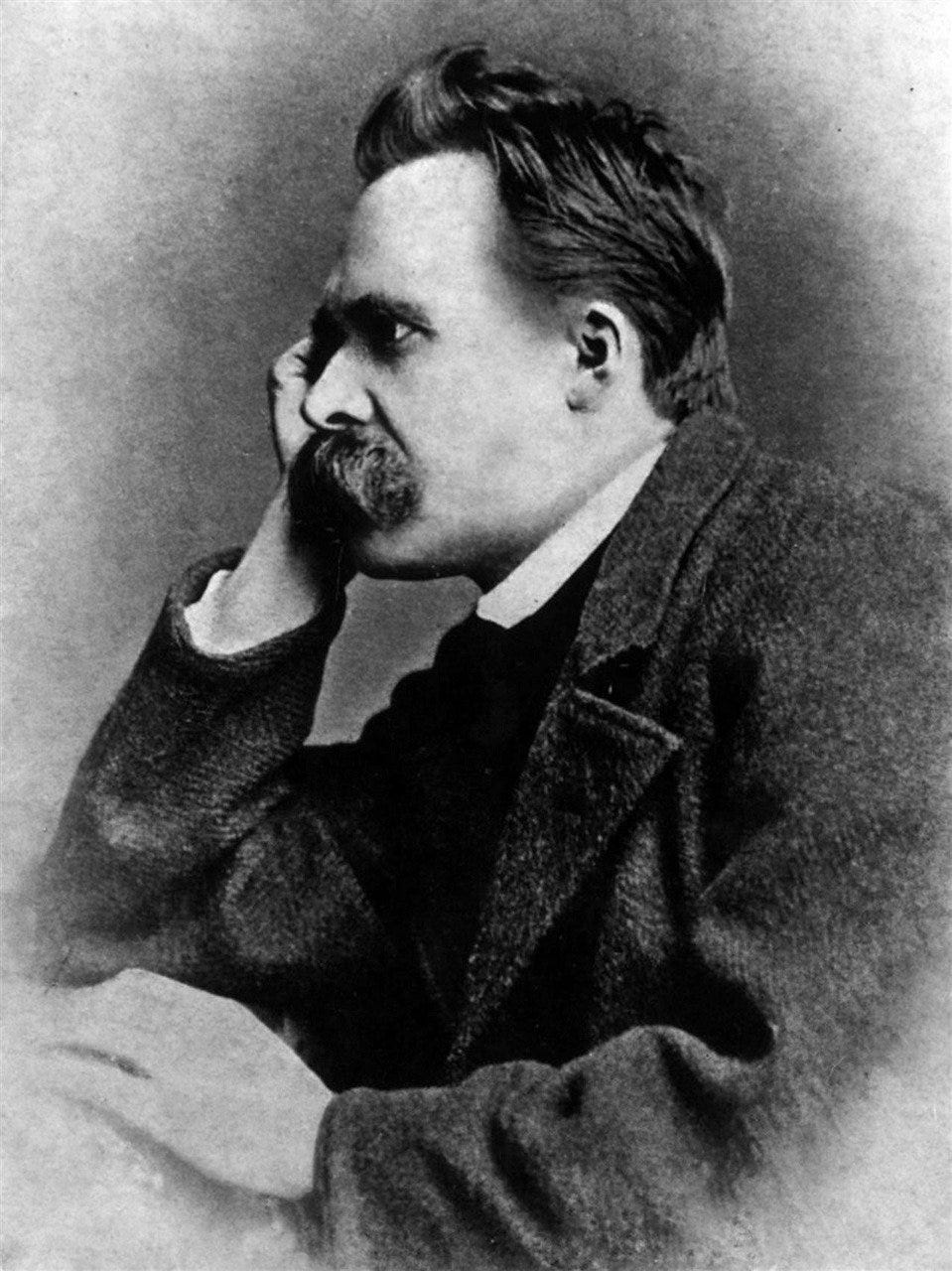
Nihilism is the realization or the understanding that there is no meaning in life.
Firstly, most people nowadays often misunderstand the word nihilism. They think it means nothing matters, or they treat it as a synonym for depression. However, philosophically it is far more than that. In fact, nihilism doesn’t clearly express how someone should feel, but rather points to what it sees as a fundamental reality [The absence of a given purpose].
Now, no meaning doesn’t mean nothing matters. Nihilists often tend to say that the purpose of the universe is unclear or it doesn’t match the same physical laws are discovered.
Most importantly, this doesn’t mean that goals should be cancelled or that nobody has the right to feel emotions. People can still pursue goals and feel joy, but nihilism denies that these things have objective meaning.
In other words, the universe doesn’t give you their meanings. You are the one who does.
Existentialism

Existentialism continues where nihilism stops. It simply doesn’t deny nihilism, but rather asks: if the universe didn’t give us a meaning for life, then what are we supposed to do with it? And how could we shape it?
One important idea comes from Jean-Paul Sartre: existence precedes essence, which states that every human being comes with no fixed role or destiny.
We exist, then we shape ourselves and our lives through our choices and environment. However, existentialism isn’t only about freedom, but responsibility too. If there is no pre-written path, then each individual person is responsible for the life they create.
Still, it doesn’t declare that life is meaningless, but it suggests that meaning is built rather than discovered. Meaning grows out of our values, actions, and beliefs. It’s not given by the universe, but rather formed through living.
Existentialism reminds us that a person is not merely formed by the world, but that they also shape themselves within it. So, to exist isn’t only about being present, but to choose, act, and construct a life that reflects those choices.
Absurdism

Absurdism is another philosophical theory which states that the universe is meaningless, yet people search for its meaning. Humans usually tend to search for the sense of life, whether by asking the purpose of life or questioning if life truly matters. However, looking at the universe gives us an indirect answer.
For instance, why time runs, or why nature continues to grow, without explanation. From this point of view, the world looks irrational to us humans.
Absurdism focuses on two sides. Humans search for meaning and clarity. The other side, however, is that the universe offers no direct responses.
This leads to confusion, where the absurd is not simply that life has no meaning, but rather that we want its meaning so badly, and yet the universe remains quiet.
The philosopher Albert Camus suggested that accepting the absurd basically gives us freedom, and instead of searching for meaning, humans can create their own meaning, values, and goals and stick with them. So, absurdism isn’t about giving up on life and desperately searching for its meaning, but rather choosing to live with your goals, values, and awareness.
What links all those three?
Now, Absurdism, nihilism, and existentialism basically focus on the same question: what is the purpose of life? But here’s the difference:
Nihilism stops at the question and accepts that life is pointless, and that humans give life its purpose, but not the universe. Existentialism responds to nihilism by suggesting that humans can create their own goals, memories, meanings, and values. They do agree that life has no strong fixed meaning.
Absurdism is in between. It accepts that life might feel irrational and meaningless, but it does not fully rely on the idea that humans must create their own meaning. Rather, it focuses on living in spite of the unanswered questions.
i love your content so far, i wish to read more on your thought as i'm also quite interested in philosophy and people's view on these pre-established ideas as well as their own philosophical views. what are your future plans for your publication? i'm curious!